
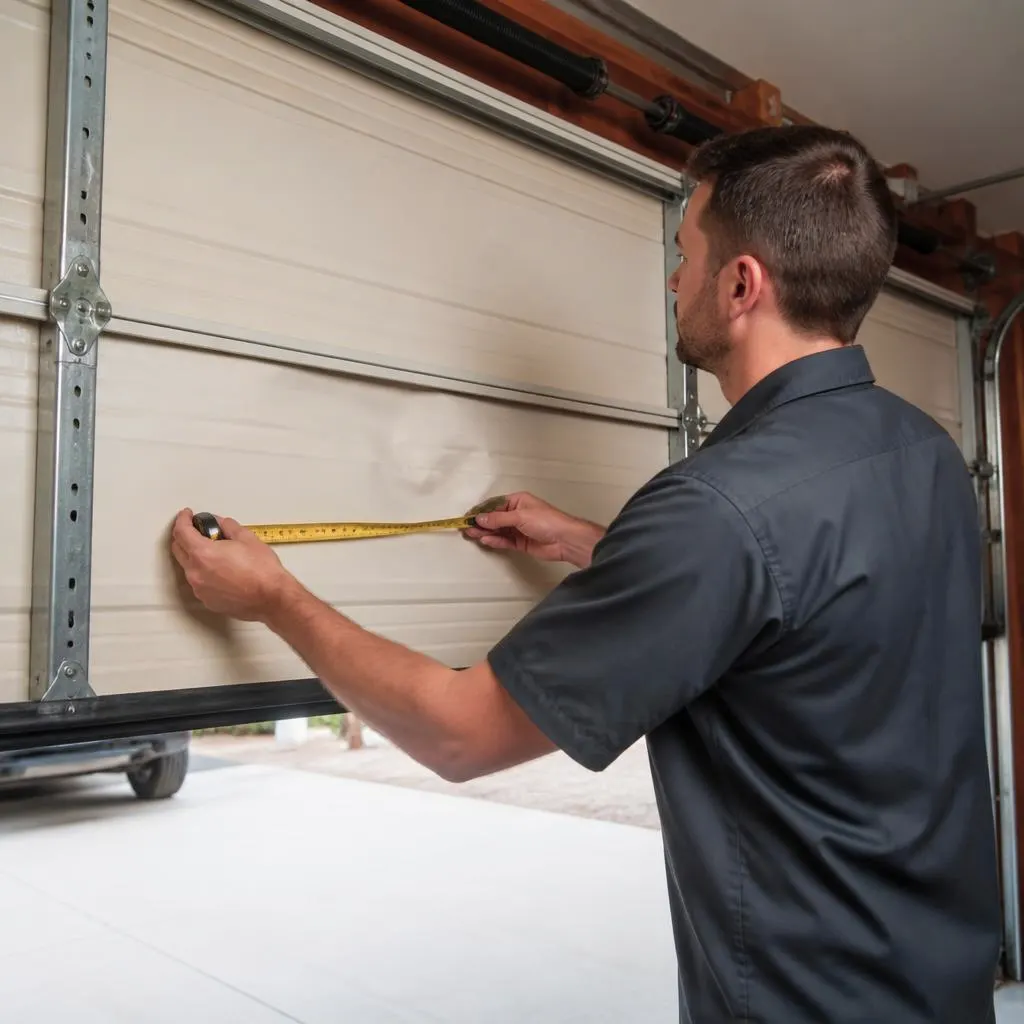
The second a garage door starts making an unfamiliar noise, most homeowners reach for the same thing: a can of WD-40. It's cheap, it's already in the garage, and spraying something on a noisy part feels like doing something. The sound often quiets down for a week or two, which makes it feel like the problem is solved.
It isn't. WD-40 is a solvent, not a lubricant built for garage door hardware, and in a climate with this much humidity and afternoon rain, it tends to attract dust and grit rather than keep parts moving smoothly. The quiet spell ends, usually with a louder, more expensive noise than the one you started with. The real fix starts with figuring out which noise you actually have, because each one points to a different part of the system.
Grinding: metal fighting metal
Grinding sounds like the door is working harder than it should, often continuing through the entire open or close cycle rather than one quick moment. Sometimes the door hesitates or jerks slightly while it grinds.
A technician checks these in order:
- Rollers first. Dry or worn rollers, especially old metal ones, are the most common cause. Years of swelling and drying from Central Florida humidity wear down the roller surface faster than in drier climates.
- Track alignment next. If rollers are riding against the edge of the track instead of rolling inside it, that's a sign the door has shifted off track, even slightly.
- Bearings. Worn bearings inside the spring assembly or at the opener's drive gear can produce a deeper, mechanical grind.
- Track condition. Rust or pitting from moisture exposure can roughen the inside of the track itself.
The fix usually involves replacing worn rollers (nylon rollers hold up better than metal ones in humid conditions), realigning the track, or replacing worn bearings. None of this is something a lubricant spray solves on its own.
Squealing: friction with nowhere to go
Squealing is a higher-pitched sound, often loudest right when the door starts moving, and it tends to get worse right after rain or on especially humid mornings.
Checked in this order:
- Lubrication at hinges and rollers. This is the most common cause, and it's the one case where lubrication actually is the fix, just not WD-40. A silicone-based garage door lubricant holds up better in heat and humidity.
- Hinge wear. If squealing continues after lubrication, the hinges themselves may be worn enough to need replacing.
- Opener chain or belt tension. A chain-drive opener that's too loose or too tight can squeal with each cycle.
- Spring coil friction. Torsion springs that haven't been lubricated in a while can squeal as the coils rub against each other under tension.
This is a relatively low-cost fix in most cases, but it's worth doing properly since a squeal that's ignored tends to turn into grinding as parts wear further.
Popping: tension letting go
Popping is a sharper, more sudden sound, sometimes a single loud bang, sometimes a series of smaller pops as the door moves.
Checked in this order:
- Torsion spring tension. A single pop, especially near the top or bottom of travel, is often just the spring coils settling. Repeated popping, though, can mean a spring is close to failing. This is the one noise worth stopping and paying attention to, since a torsion spring under tension can cause real injury if it lets go while someone's nearby.
- Wall bracket separation. In homes where humidity has caused wood framing to swell and shift slightly, the bracket holding the track to the wall can loosen, producing a popping sound as the track flexes.
- Panel flex. Non-insulated steel doors can expand and contract with Florida's temperature swings between a hot afternoon and a cooler, rain-cooled evening, which sometimes produces popping sounds at the seams.
If the popping is coming from the spring area, that's not a DIY fix. Torsion springs are under enough tension to cause serious injury, and replacement is a job for someone with the right bars and experience.
Rattling: loose, not broken (yet)
Rattling is a looser, shakier sound, often most noticeable when the door moves or when wind pushes against it during a storm.
Checked in this order:
- Loose hardware. Bolts, hinges, and track brackets work themselves loose over time, especially on doors that get used daily. This is the most common cause by far and the easiest to fix.
- Opener chain slack. A chain-drive opener with too much play will rattle against its rail with every cycle.
- Warped or loose panels. Panels that have swelled from moisture or loosened at the seams can rattle in wind.
- Wind load during storms. A door that rattles noticeably in gusty conditions may not have hardware rated for the wind pressures that come with hurricane season storms, which is worth flagging before the next system rolls through.
Tightening hardware is a quick fix. Chain tension adjustments and panel repairs take a bit more work, and wind-load concerns are worth a professional look rather than a guess.
When to call Maitland Door & Opener
A one-time pop or the occasional squeak isn't an emergency. But grinding that's gotten louder over a few weeks, repeated popping near the spring, or rattling that shows up every time the wind picks up are all signs worth getting looked at before they turn into a door that won't open at all.
Our Garage Door Tune-Up & Maintenance service covers exactly this kind of diagnostic work: checking rollers, hinges, track alignment, and spring tension so we can tell you which noise is cosmetic and which one is a warning sign. If the issue turns out to be spring-related, our Garage Door Spring Repair service handles replacement safely, with the right tools for a job that shouldn't be attempted with a wrench and good intentions.
If your garage door has started talking to you in Maitland, Winter Park, Orlando, Altamonte Springs, Casselberry, Longwood, Eatonville, or Fern Park, give Maitland Door & Opener a call. We'll figure out what the noise actually means before it turns into a bigger repair.